Roof coating looks simple from the driveway. A roofer rolls or sprays a layer of protective material over the old surface, the roof looks new again, and everybody moves on. The trouble is that the coating only does its job if the prep work underneath was done right. That's where homeowners across Utah get burned, and it's why the questions you ask before hiring matter more than the color chip you pick.
We put this together for people who are shopping around, whether you're in Salt Lake County, down in Washington County, or somewhere up near the Idaho line. The climate here is hard on roofs. Hot summers bake the surface, freeze and thaw cycles push moisture into every seam, and UV exposure at our elevations chews through old sealants faster than most people expect. A good coating can buy years. A rushed one can trap water and make your next repair more expensive.
Here are the questions we think every Utah homeowner should ask before choosing a roofer for coating work, plus what a useful answer sounds like.
Start With What Is Actually Under the Coating
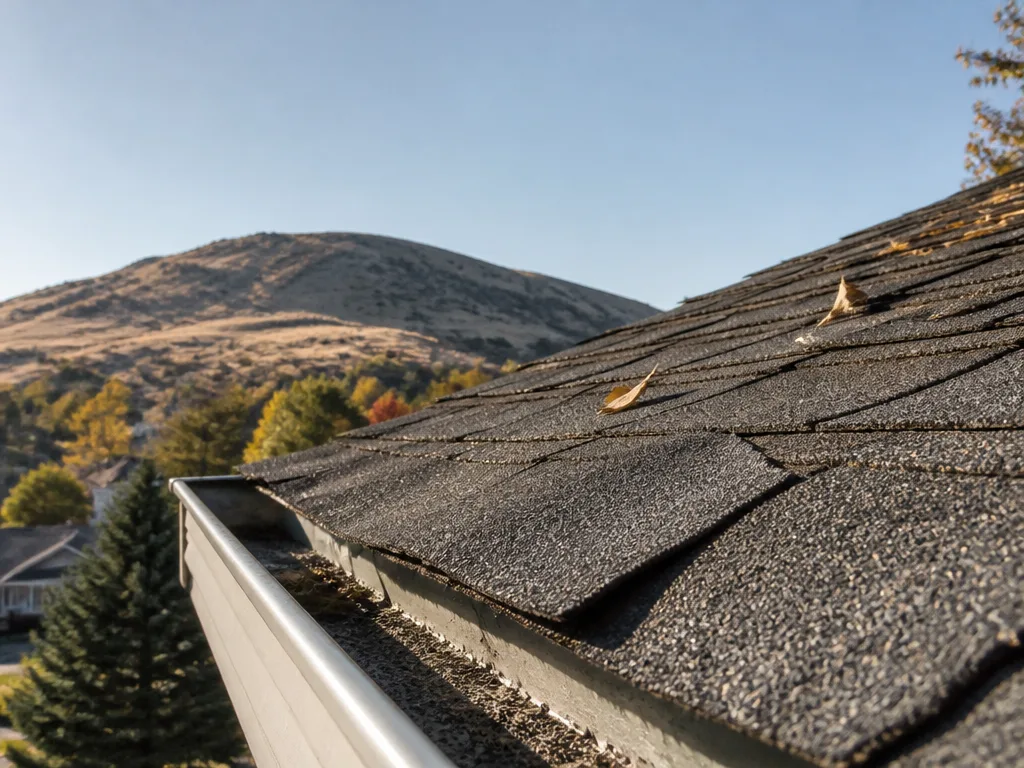
Ask the roofer to explain the existing roof before they talk about the coating product. Is it asphalt shingle, a low-slope membrane, metal, or an older built-up roof with gravel? Each one takes the coating differently. A roofer who jumps straight to brand names without asking about your roof type is guessing, and guessing on a roof is expensive.
Pay attention to whether they mention the age of the roof, any previous repairs, and whether there are soft spots or ponding areas. You want someone who talks about what they'll look at on the roof itself, not just what they'll spray or roll on.
Good signs in the answer
- They ask how old the roof is and what it was last coated with, if anything.
- They mention checking for blisters, cracks, exposed nail heads, and failing flashing.
- They say what they would fix before coating, and why, in plain words.
Ask How They Prep the Surface
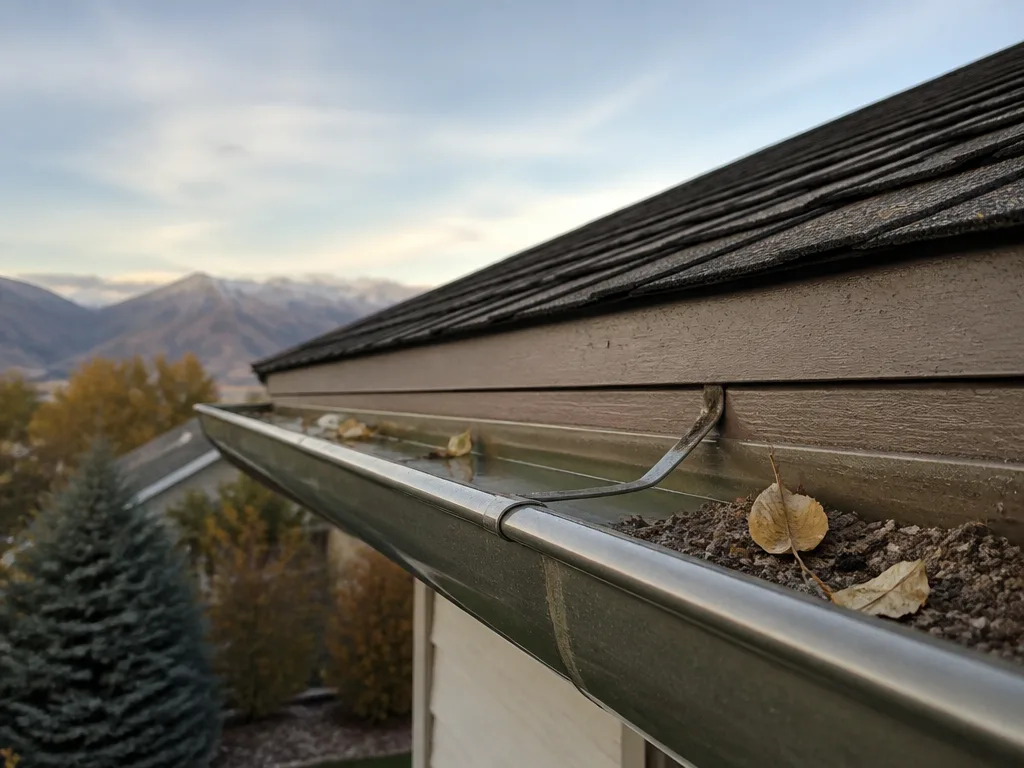
Prep is the part nobody photographs. Ask exactly what happens before any coating goes on. A proper crew cleans the roof thoroughly, removes loose debris and failing granules, and makes sure the surface is dry enough for the product to bond. In many Utah spring and fall stretches, morning dew or a passing storm can ruin a day of work if the roofer doesn't plan around the weather.
Ask what they do about moisture. If the roof has trapped water under the surface, coating over it can cause bubbling or peeling later. A roofer should be willing to say, "We'll check for that, and if we find it we'll tell you before we go further." If the answer is a shrug, keep looking.
Also ask about cleanup. Roof work leaves debris in gutters, on landscaping, and sometimes on driveways. A crew that respects your property will talk about protecting plants, covering vehicles, and how they clear the site when they finish.
Find Out What Coating They Recommend and Why
There isn't one best coating for every roof. Silicone, acrylic, polyurethane, and elastomeric systems each behave differently under heat, cold, foot traffic, and ponding water. Ask the roofer which system they recommend for your specific roof and what made them choose it. Good answers reference your roof material, your slope, and how the surface will handle Utah's temperature swings.
Ask about the manufacturer's application requirements too. Coatings have minimum thickness specs, drying times, and temperature windows. If the roofer can't explain the product's requirements in their own words, they probably aren't working from the manufacturer's instructions.
Understand the Scope Before You Agree to Anything
This is where a lot of disagreements start. Before you say yes, ask the roofer to walk you through exactly what is included. Does the job cover the entire roof or just certain sections? Are flashing, vents, penetrations, and edges part of the work? Is the cleanup part of the job? Do they handle any repairs they find, or do they flag those for a separate conversation?
Ask what happens if they find more damage once they start pulling back loose material. You don't need a promise. You need a clear explanation of how they communicate changes, who makes the call, and how you'll be told before anything extra happens. A roofer worth hiring will be direct about that process.
Questions to write down
- What exactly is included, and what is not?
- Which surfaces, edges, and penetrations get attention?
- How will I hear about additional problems before work proceeds?
- Who on your crew will be on the roof, and who is my point of contact?
Check Who Will Actually Do the Work
Some companies sell the job and then subcontract it to whoever is available that week. That's not automatically bad, but you should know who you're hiring. Ask whether the people who inspect your roof are the same people who apply the coating. Ask how long the company has been working on residential roofs in Utah, and whether they've handled roofs similar to yours.
Ask about their process for scheduling, too. In busy seasons, schedules slip. A roofer who says they can often get a crew out within the same week is giving you something real to plan around. Be wary of anyone who promises an exact day months out with no explanation of what could change it.
Talk About Timing and Weather Windows
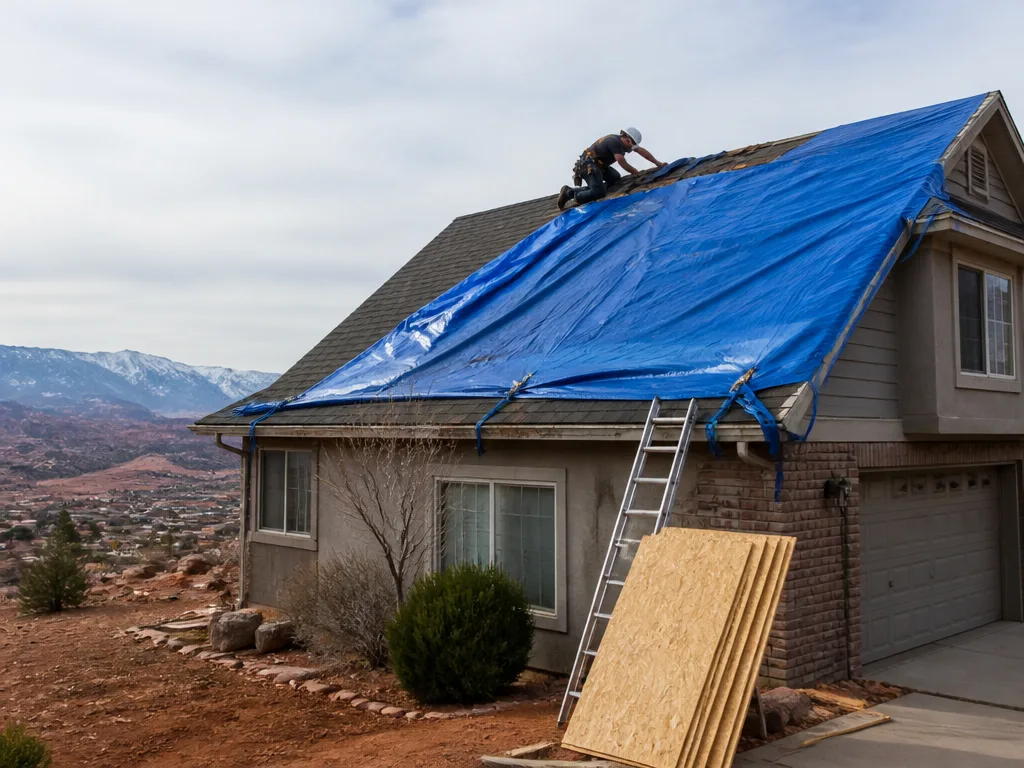
Coating needs dry weather, usually for a stretch of time before and after application. Ask how the roofer decides when to start, what happens if rain moves in midway through, and how long your roof will be open or vulnerable during the process. Utah weather can change quickly, especially in mountain foothills and along the Wasatch Front, and a roofer who has worked here for a while will have a plan for it.
Also ask what you should do during the job. Some roofers want vehicles moved, outdoor furniture cleared, or pets and kids kept away from the work area. Knowing this ahead of time keeps the day from turning into a scramble.
Be Realistic About Cost Conversations
You'll likely want to know what this costs, and that's a fair question. Keep in mind that a rough conversation on the phone is not a quote, and any number someone throws out before seeing the roof should make you ask questions rather than sign. What you can ask is how pricing is structured: is it based on square footage, roof condition, number of layers, or the specific coating? Will the price change if prep takes longer than expected? How do they handle that conversation?
The goal is not to find the lowest number. It's to understand what you're paying for and to notice whether the roofer gets specific or stays vague. Vague answers about scope and prep usually cost more later.
Call Us if You Want to Talk Through Your Roof
If you're weighing roof coating options and want to hear how Renovation Vineyard approaches prep, product choice, and scheduling, give us a call. We work with homeowners across Utah, from the northern valleys to the southern deserts, and we're happy to walk you through the questions above in plain language. Phone is the best way to reach our team, so pick up the phone and tell us about your roof, what's been going on with it, and what you're hoping the coating will do for you.
Take a few minutes with the questions here before you hire anyone. The roofers who answer them clearly are usually the ones who will treat your home the same way on the day the work starts.