Why Utah Roofs Need a Different Routine
Utah does not give a roof an easy life. In one year we see deep snow loads in the mountains, freeze and thaw cycles that push water into every small crack, hot high-desert sun that bakes shingles until they go brittle, and wind that comes down the canyons with nothing to slow it. Renovation Vineyard has crews working across the state, and the roofs we see in Logan look a lot like the ones in St. George, just with different problems on top.
The good news is that most roof trouble shows up in predictable places. If you walk through the year with a simple plan, you catch things while they are still cheap to fix. Here is how we would break it down for a neighbor who asked us over the fence.
Spring: Check for Winter Damage
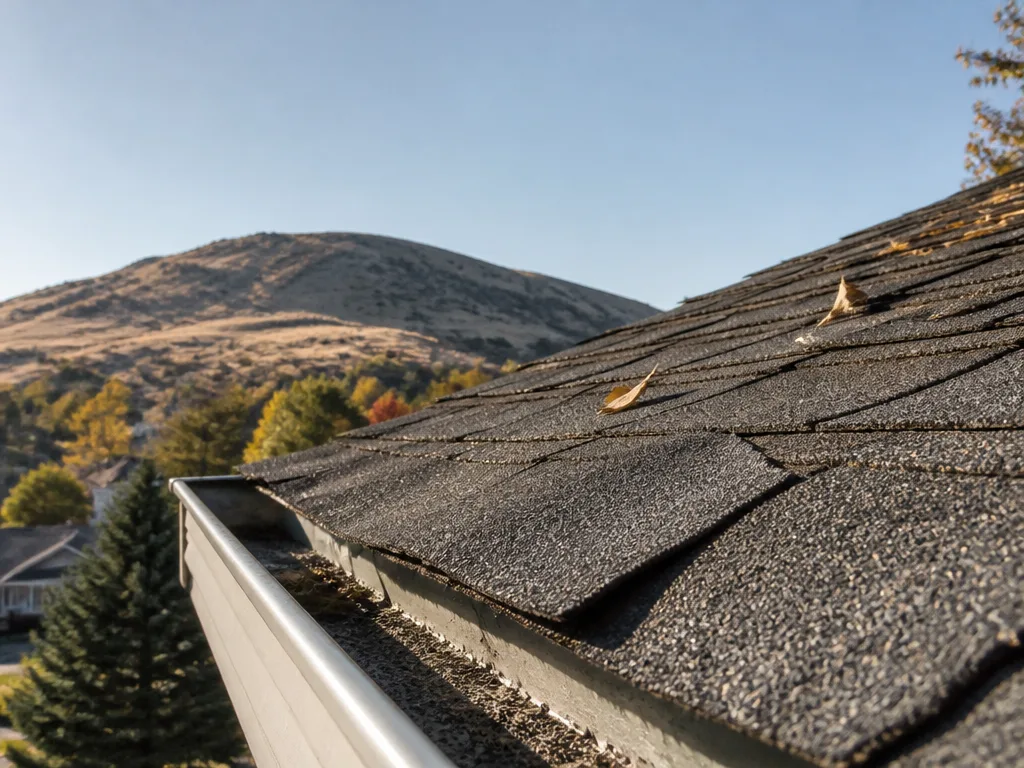
Spring is when you find out what the winter did. Once the snow is off and the ground has dried out a bit, get outside and look. You do not need a ladder for most of this. Stand across the street and scan the ridgeline for shingles that look lifted, curled, or missing. Look for dark streaks or patches where the granules have washed away, because that often means the shingle is nearing the end of its life.
Next, check the spots that take the most abuse:
- Valleys where two roof planes meet, since water and debris collect there
- Around chimneys and skylights, where flashing can separate after freezing
- Along the eaves, where ice dams may have pulled up the lower courses
- Vent covers and the edges of any low-slope sections
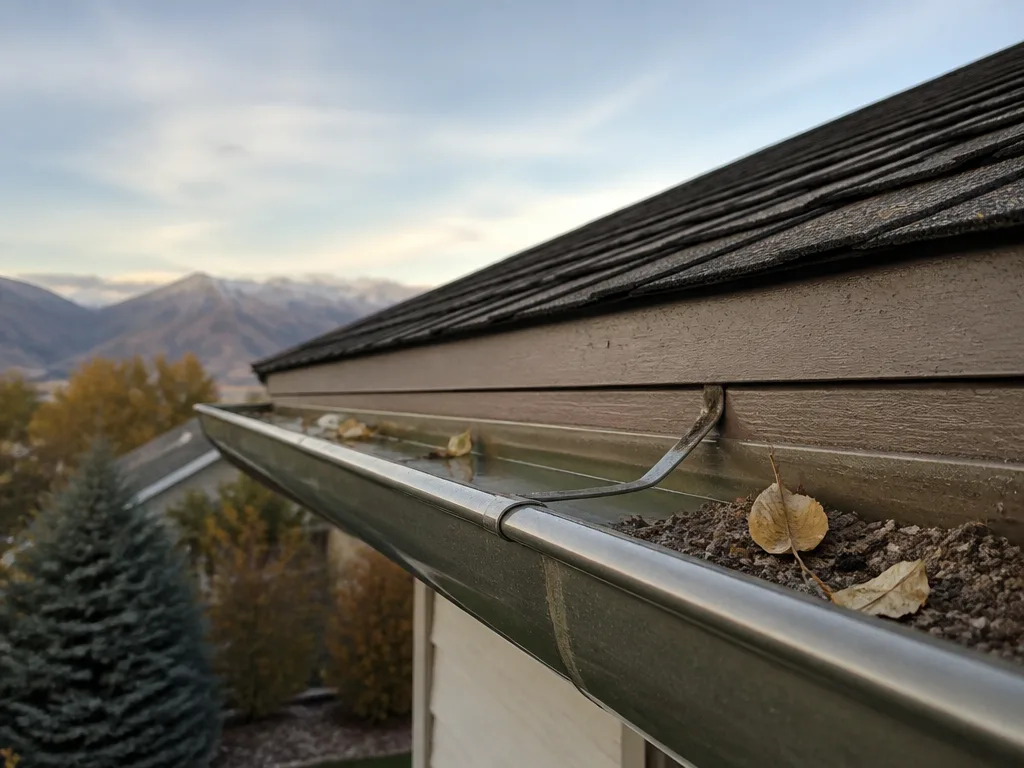
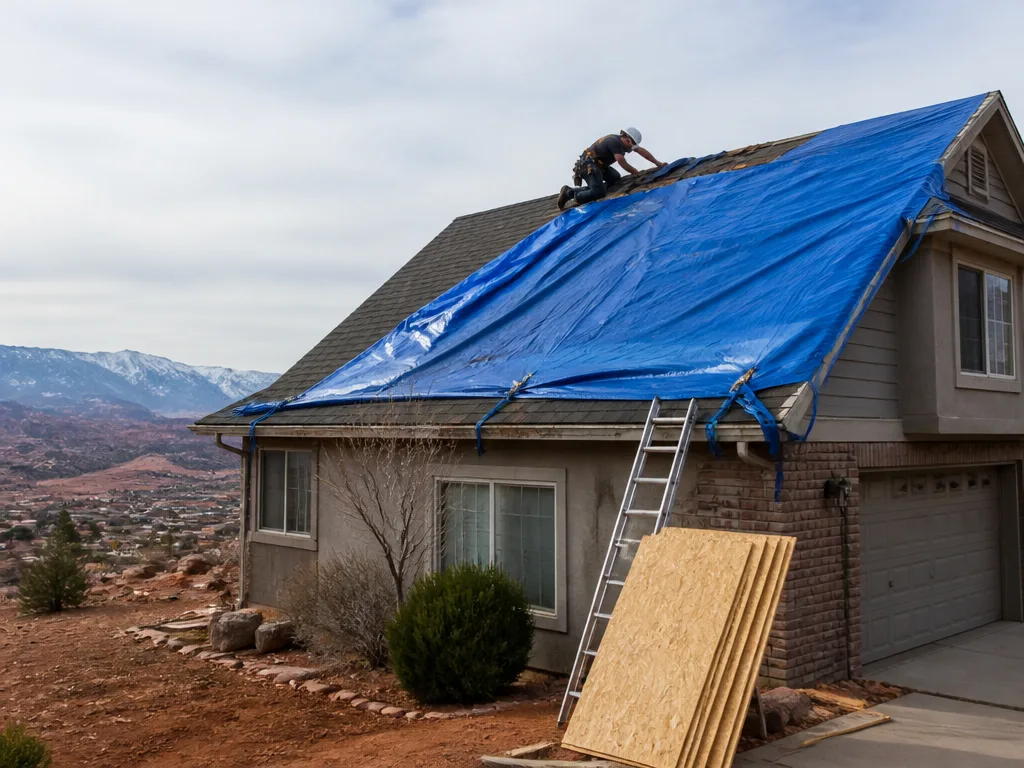
Clear gutters and downspouts once the thaw starts. A gutter full of sludge holds water against the fascia all summer, and that rot is slow and expensive. If you find soft wood, staining on a ceiling, or daylight showing through the attic boards, call a roofer before the next storm season. Spring is also a good time to schedule any repairs, because crews are not yet buried by hail calls.
Summer: Handle the Heat and the Hail
Summer in Utah is hard on roofing materials. The sun at elevation is strong, and the temperature swings from afternoon to evening can be dramatic, especially in the high valleys and the desert south. Heat softens asphalt and dries out the sealant strips that keep shingles bonded to each other. Once those strips let go, a windy afternoon can peel off a whole row.
Summer thunderstorms bring hail to parts of Utah most years, and the damage is not always visible from the ground. Look for dents or bruises on metal vents, flashing, and gutters. On shingles, check for spots where the surface granules are knocked loose and the mat underneath looks bare or cracked. Bruised shingles lose their ability to shed water, even if they look fine from the street.
Attic ventilation matters in summer too. A hot attic bakes the underside of the roof deck and shortens the life of the whole system. Make sure soffit vents are not blocked by insulation or stored boxes, and that ridge vents are clear. If the attic feels like an oven when you open the hatch, that is worth raising with a roofer.
A Quick Summer Walk-Around
Pick a calm morning and do a slow lap of the house with binoculars. You are looking for tiles or shingles on the ground, bright metal where the paint has chipped, and any sign of sagging along the ridge. Take photos so you can compare them to the same view next season. Small changes are much easier to track that way.
Fall: Get Ready for Snow and Wind
Fall is the most important season for Utah roofs, because the snow is coming and most damage that winter makes is caused by water that got in during autumn. Start by clearing leaves and needles from the roof surface and the gutters. Trees along the Wasatch Front and in the canyons drop an enormous amount of debris in October, and it packs into valleys and gutters like wet cement.
Once the leaves are down, look at the things that cause winter trouble:
- Loose or missing shingles that would let snowmelt run under the roofing
- Flashing around vents, chimneys, and walls that has lifted or cracked
- Attic insulation that looks thin or uneven, which can cause warm spots and ice dams
- Gutters that are sagging or pulling away from the fascia
Fall is also when wind season peaks in many parts of the state. Gusts that sweep through open country can lift edges that were already weak. A repair made in October costs far less than one made in February, when the crew has to work around ice and the job takes twice as long.
Snow Load and Ice Dams
Snow is not only about weight. Heat escaping from the living space melts the bottom layer of snow, and the water runs down to the cold eave and refreezes. Over a few weeks, that ice can back water up under the shingles. The fix usually starts in the attic, with better air sealing around light fixtures and attic hatches, plus enough insulation to keep the roof deck cold. Ask a roofer to look at both the roof and the attic side, because one without the other often misses the real cause.
Winter: Watch From the Inside
Winter is a season for observation rather than climbing. Do not walk on a snowy or icy roof. Instead, check the inside of the house after every big storm. Look at ceilings near exterior walls, the top corners of rooms on the north side of the house, and around any recessed lights or fans that run through the attic.
If you see a new stain, a bubble in the paint, or a drip after a thaw, write down the date and the weather that came before it. That information helps a roofer find the source quickly. Water tends to travel along rafters before it shows up on the ceiling, so the stain is often a few feet away from the actual leak.
Keep an eye on the roof edge too. Heavy snow can bend gutters, and a bent gutter can pull shingles with it when it lets go. Knock snow off the lower edge with a soft broom from the ground if you can reach it safely. Never use a metal shovel on shingles, and never try to clear a steep roof alone.
When to Pick Up the Phone
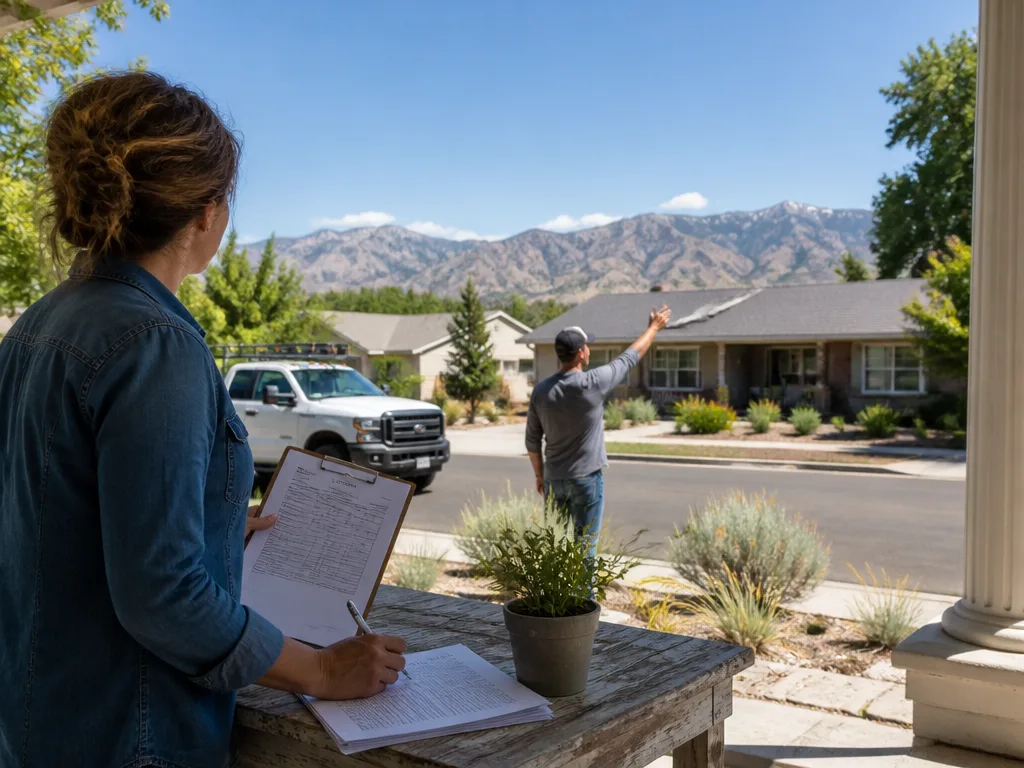
Most homeowners wait too long. They see a stain, hope it goes away, and then call in the middle of a storm when every roofer in the area is booked. A better plan is to call as soon as you see a change you cannot explain. Describe what you noticed, when it started, and where it is in the house. That gives the roofer a head start before anyone climbs up.
Renovation Vineyard works with homeowners across Utah, from Cache Valley down to the southern deserts, and we take calls from every corner of the state. Give us a call with your roof questions, and we will talk through what you are seeing and what makes sense to do next. The phone is the best way to reach our team, and we are happy to walk you through the season ahead.